What is the purpose of cell balancing in battery systems?
Answer
Cell balancing is a key function in multi-cell battery systems. Its purpose is to ensure all cells in a battery pack maintain similar voltage levels during charging and discharging. This prevents weak or overcharged cells from limiting overall performance.
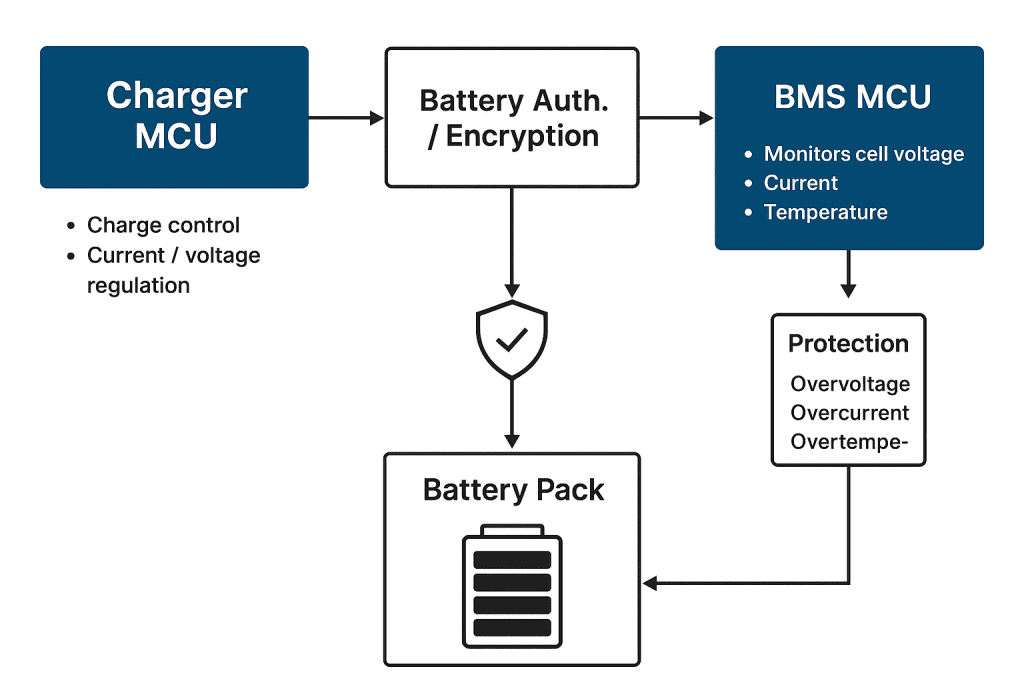
A Battery Management System (BMS) controls this process by redistributing energy between cells or adjusting charging behavior. This improves safety, increases usable capacity, and extends battery lifespan.
Why cell balancing is important
- Prevents overcharging of individual cells
- Improves overall battery efficiency
- Extends cycle life of the battery pack
- Maintains stable performance under load
How BMS improves cell balancing
Modern BMS technology continuously monitors voltage, temperature, and state of charge. It ensures that no single cell drifts too far from the rest, which reduces failure risk and improves long-term reliability.
You can learn more about this in our guide on BMS protection mechanisms and how intelligent systems enhance safety in real-time monitoring systems.
Related topics
Cell balancing is closely related to AI-driven battery management trends and predictive battery optimization.
External reference
For deeper technical understanding, refer to: