How does BMS prevent overcharging and undercharging?
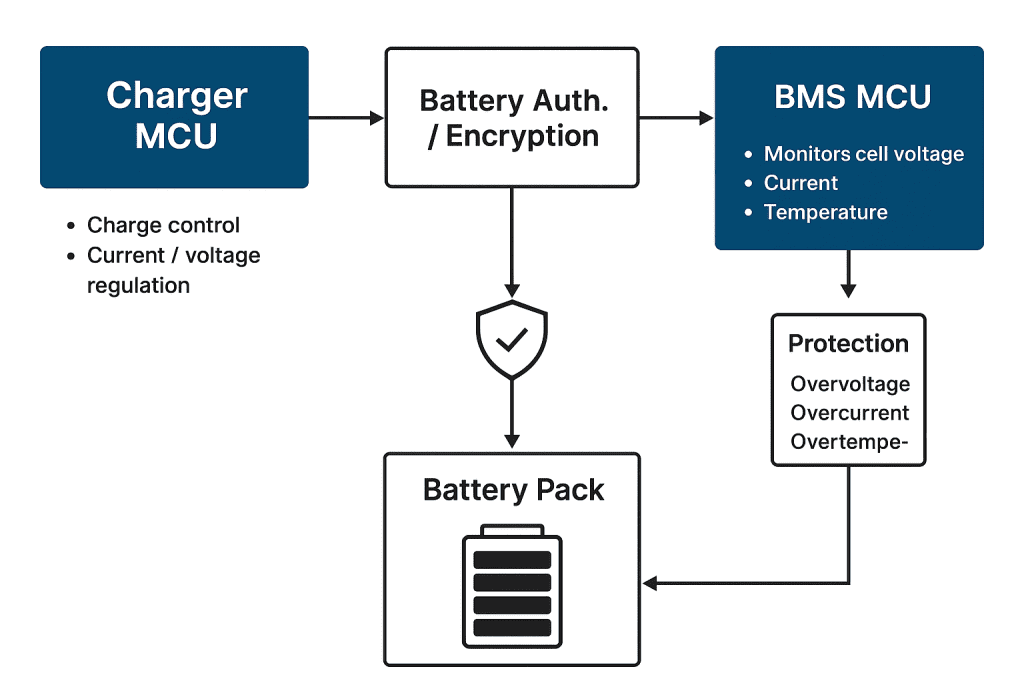
A Battery Management System (BMS) prevents overcharging and undercharging by continuously monitoring battery voltage, current, temperature, and charging status in real time. Proper BMS control is essential for maintaining battery safety, charging efficiency, and long-term battery lifespan.
During charging, the BMS monitors individual cell voltage and automatically limits or disconnects charging once preset voltage thresholds are reached. This protection mechanism prevents overcharge conditions that may cause overheating, swelling, or permanent cell damage. Advanced battery safety and protection strategies are particularly important in lithium-based battery systems.
Undercharging protection works differently. The BMS monitors discharge voltage and prevents the battery from dropping below its safe minimum level. Excessive discharge can damage battery chemistry, reduce usable capacity, and shorten cycle life. Intelligent Battery Management System (BMS) control helps maintain stable operating conditions and improves long-term reliability.
Modern BMS platforms often include cell balancing, thermal monitoring, and communication with smart chargers to coordinate charging behavior. These technologies allow chargers and batteries to work together more efficiently while reducing safety risks and performance degradation.
International safety organizations such as IEC international standards emphasize voltage protection, thermal control, and battery monitoring as critical requirements for safe rechargeable battery systems.