
They do it by turning the charger into a connected system component rather than a passive power device. An AIoT smart charger can report status, receive commands, and adjust charging behavior remotely, which fundamentally changes how battery-powered products are monitored and maintained.
In connected systems, charging is no longer an isolated electrical function. Instead, it becomes part of a broader energy management strategy that spans hardware, firmware, and software.
What makes a charger an AIoT smart charger?
An AIoT smart charger combines traditional charging control with connectivity and system awareness. In practice, this means the charger can exchange data with other system components and, in some cases, with cloud-based platforms.
Unlike conventional chargers, AIoT-enabled designs are built on top of smart battery charger architectures that already support adaptive control and protection logic. Connectivity extends those capabilities beyond the physical device.
Why remote monitoring matters in real products
Remote monitoring matters because many battery-powered products operate outside controlled environments. Once deployed, physical access becomes expensive, slow, or impractical.
With remote visibility, engineering teams can:
- Track charging behavior over time
- Identify abnormal patterns before failures occur
- Correlate battery issues with real usage conditions
This approach shifts maintenance from reactive troubleshooting to data-driven decision-making.
How AIoT chargers interact with the BMS
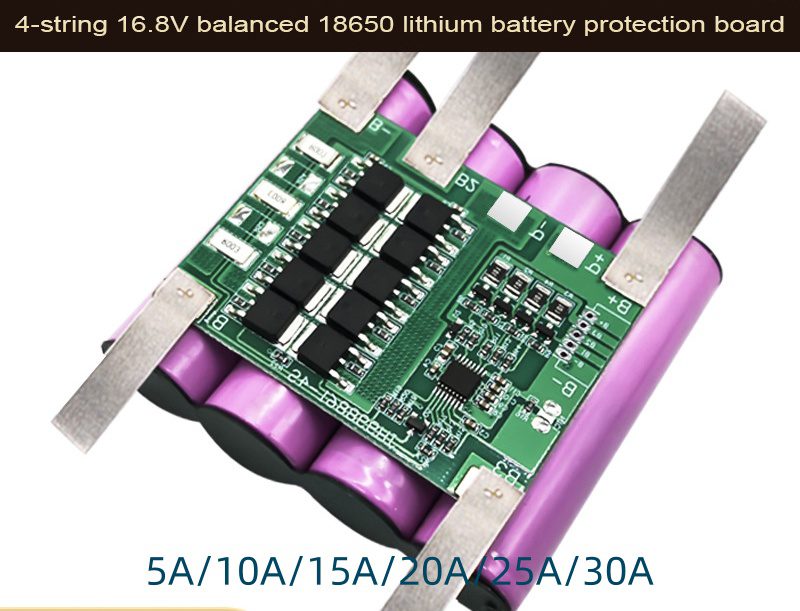
AIoT functionality does not replace the battery management system. Instead, it builds on top of it.
A charger designed as a smart charger compatible with BMS uses battery-level data as the foundation for any remote or intelligent behavior. Without accurate BMS feedback, cloud analytics and AI models quickly lose relevance.
In well-designed systems, the BMS defines safety boundaries, while the charger executes charging decisions within those limits and reports meaningful data upstream.
Where AIoT smart chargers create the most value
AIoT-enabled charging is not about adding connectivity for its own sake. Its value appears in products with long lifecycles, distributed deployments, or high reliability requirements.
Typical examples include industrial equipment, energy storage systems, and professional mobility platforms, where charging behavior directly affects uptime and operating cost.
From a manufacturer’s perspective
From the manufacturing side, AIoT smart chargers require a different mindset. Hardware design, firmware architecture, and data interfaces must be planned together.
At Phonix Chargers, AIoT capability is treated as a system-level feature, not a bolt-on module. This approach allows Phonix Smart Chargers to integrate cleanly into existing control architectures while remaining adaptable to future requirements.
Industry view on connected charging systems
Industry references such as Internet of Things fundamentals highlight the same trend: connected devices create value when data is actionable, not merely available.
In charging systems, that principle translates directly into better control, clearer diagnostics, and more predictable battery behavior over time.
How this changes system design decisions
Once charging becomes connected, design decisions shift from individual components to system-level tradeoffs.
Teams begin to ask different questions: not just whether a charger meets electrical specifications, but whether it fits into the product’s data flow, maintenance strategy, and long-term evolution. That shift is subtle at first, but it defines how scalable the system will be in the field.
