
What Voltage Charger Is Needed for the 48V Battery?
Many users wonder why battery voltage is 48 V dc (13S batteries pack), but they are usually advised to buy 54.6 V dc charger. why not choose 48 V dc charger? To answer these questions, we first need to understand 48V battery is how many series? 13S lithium battery is 48V. Honestly speaking, I still have clearly remembered about 20 years ago, I have same thought when just starting this job. Our factory usually train newcomers for 3 months for charger principal, charger solutions, smart charger, and so on. I would like to share the basic theory about charger tell everyone how to match charger with battery pack.
In most cases, a 48V lithium battery requires a charger with an output voltage between 54.6V and 58.4V, depending on the battery chemistry. Using the wrong voltage can lead to incomplete charging, reduced battery life, or even cause explosion or fire damage.
Many users assume that a “48V charger” output voltage should be 48V exactly, but I have to let you know that’s a common misconception. The labeled voltage refers to the battery’s nominal voltage, not the charging voltage. Understanding this difference is helpful to selecting the right charger voltage.
Why a 48V Battery Needs a Higher Charging Voltage rather than 48V?
This can be understood like water flowing from tank A to tank B. Tank A represents the charger, and tank B represents the battery.
For water to flow, tank A must be at a higher position than tank B. Here, height represents voltage. Only when A is higher than B can water flow from A to B. That is why a charger must have a higher voltage than the battery.
Current is like the speed of the water flow. The faster the flow, the larger the current.
As tank B fills up, the flow gradually slows down. Once it is full, the flow stops completely. In battery charging, this process is automatically controlled by an MCU to ensure safe and efficient charging.
For 13S batteries pack, the exact charging voltage depends on the battery type:
- Lithium-ion (Li-ion): typically 54.6V
- LiFePO4 (LFP): typically 58.4V
- Lead-acid: typically 57.6V – 59.2V
Above 3 kinds of batteries are all Lithium battery, their difference is due to each battery chemistry having a different cell voltage and charging voltage.
What Mistakes will happen When Choosing a 48V Charger?
Selecting the wrong charger is one of the most common causes of charging problems. Many issues like chargers indicating green but the battery not being full are often related to voltage mismatch.
- Using a 48V nominal charger with incorrect output voltage
- Mixing lithium and lead-acid chargers
- Ignoring battery chemistry (Li-ion vs LiFePO4)
- Using a charger with too low current
- Buying low-quality or non-smart chargers
For example, if you use a 54.6V charger on a LiFePO4 battery (58.4V), it will never fully charge.
How to Choose the Right Charger for a 48V Battery?
To select the correct charger, we should follow these steps as follow:
- Identify clearly battery chemistry (Li-ion, LiFePO4, or lead-acid)
- Check full charge voltage
- Match charger output voltage exactly
- Select proper charging current (0.2C – 0.5C recommended)
- Choose a smart charger with protection functions
For a detailed guide, see our lithium battery charger selection guide.
Technical Data for 48V Battery Charging
| Battery Type | Nominal Voltage | Charging Voltage | Recommended Current |
|---|---|---|---|
| Li-ion | 48V | 54.6V | 0.2C – 0.5C |
| LiFePO4 | 48V | 58.4V | 0.2C – 0.5C |
| Lead-acid | 48V | 57.6V – 59.2V | 0.1C – 0.3C |
Custom Smart Charger Solutions available
Using a charger specifically designed according to your battery types ensures stable performance and longer lifespan. A high-quality 48V lithium battery charger can automatically adjust charging stages and protect against over voltage, over heating, and short circuits.
At Phonix, we provide custom smart chargers for lithium / lead-acid battery systems / Nimh / Fast charger, helping OEM clients achieve reliable and safe charging solutions.
I listed some questions Frequently Asked. Hope they are helpful to users.
1. Can I use a 12V charger on a 48V battery?
No. A 12V charger cannot provide enough voltage to charge a 48V battery.Battery will not be charged full.
2. What happens if the charger voltage is too low?
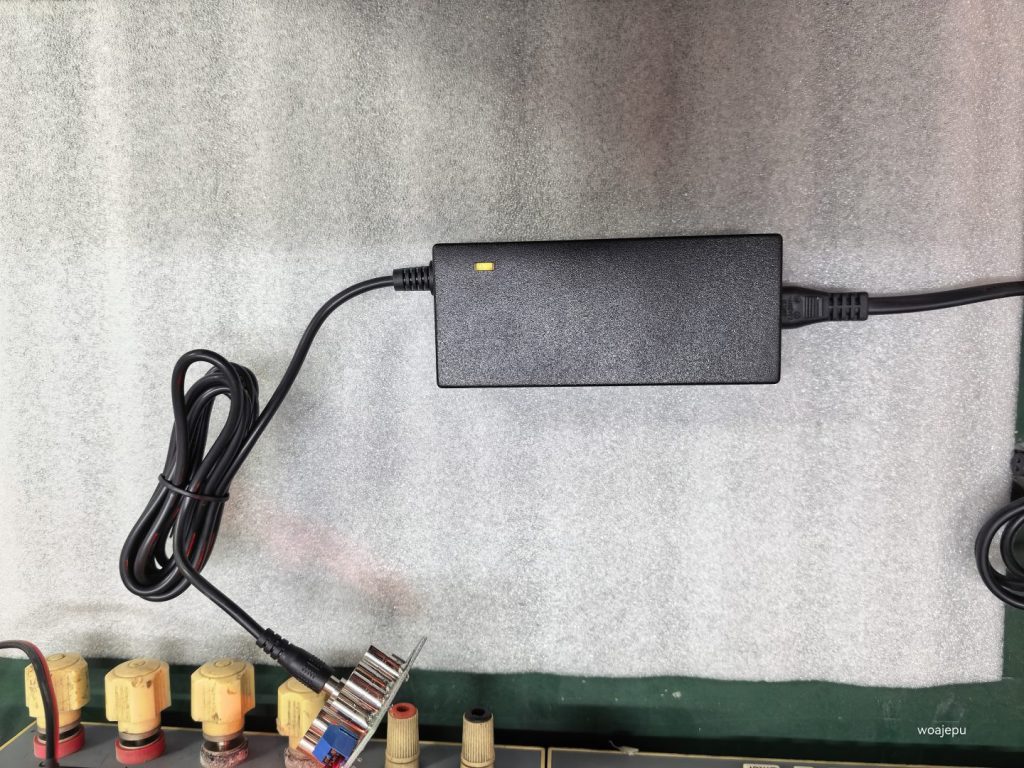
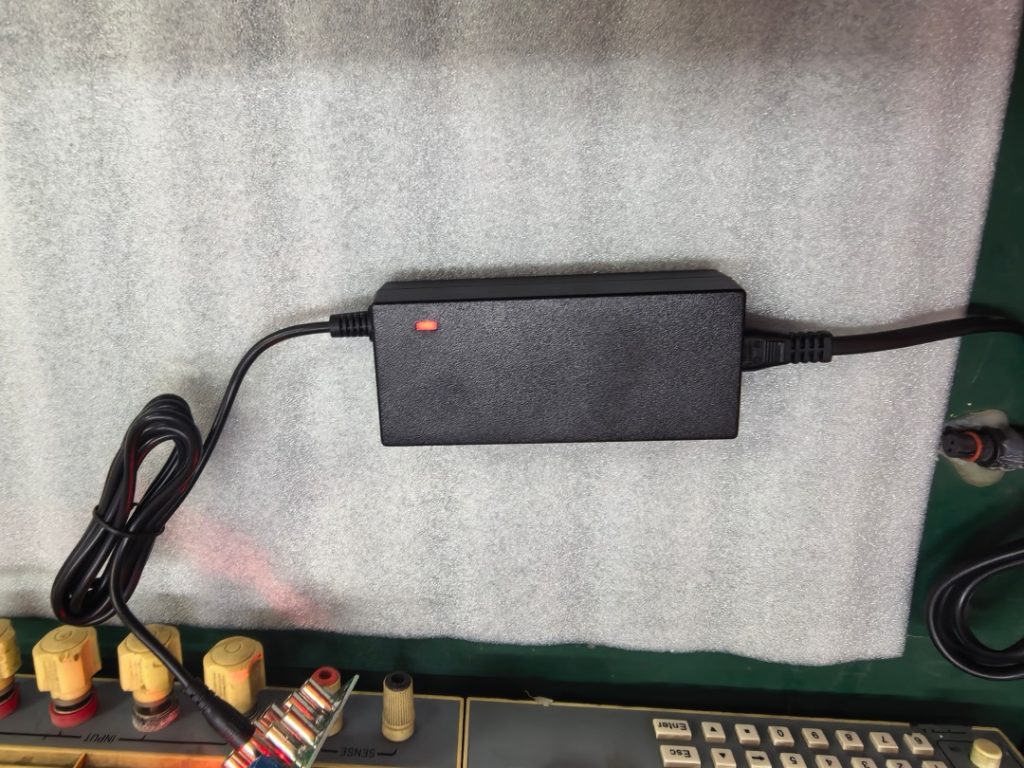
The battery will not fully charge, and the charger LED indicator would remain lit in red. Even some low-end products don’t use an MCU for signal monitoring at all, which can cause the charger to turn green very quickly and mislead users. Many low-quality chargers used in price competition are designed this way. They can switch the indicator light, but in reality the battery is far from fully charged. This can cause significant damage to the battery and has a long-term negative impact on its lifespan.
3. What happens if the charger voltage is too high?
Over – voltage can damage the battery or trigger protection circuits, stopping the charge.
4. Can I use a lead-acid charger for a lithium battery?
No. Lithium batteries require specific charging profiles, charging voltage is different. Using the wrong charger can reduce battery life or cause safety risks.
5. How do I know if my charger is compatible?
Always check the battery specification label and match the full charge voltage exactly.
For more troubleshooting tips, read our guide on charger when LED indicators shows green but battery not full.
For official safety standards, refer to IEC international standards.
If you have other questions or did not fully understand my explanation, Please contact us.
