
How does battery health degrade over time and what can BMS do to prevent it?
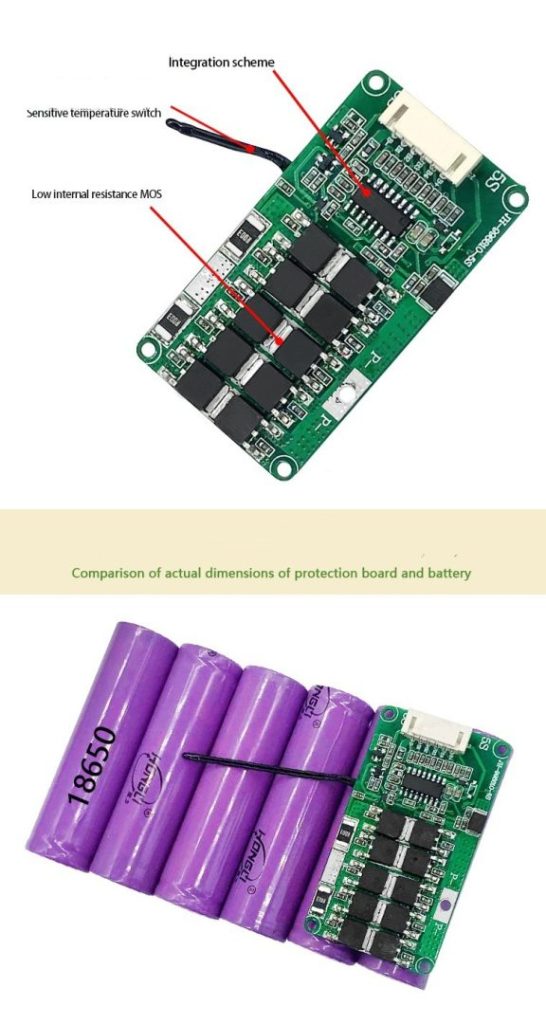
Battery health naturally degrades over time due to chemical aging, charging stress, temperature exposure, and repeated charge-discharge cycles. Battery degradation typically appears as reduced capacity, shorter runtime, voltage instability, and increased internal resistance. These changes affect both lithium-ion and LiFePO4 battery systems used in industrial, mobility, and energy storage applications.
A modern Battery Management System (BMS) helps slow battery degradation by continuously monitoring and controlling key operating conditions. The BMS tracks voltage, current, temperature, and cell balance to ensure the battery operates within safe limits. By preventing overcharging, deep discharge, overheating, and cell imbalance, a BMS significantly improves battery lifespan and charging reliability.
Advanced BMS platforms increasingly use predictive analytics, impedance monitoring, and real-time diagnostics to identify early signs of battery aging. These intelligent systems can detect abnormal battery behavior before severe damage occurs, helping reduce maintenance costs and improve long-term performance.
Battery temperature management is especially important. Excessive heat accelerates chemical degradation and shortens battery life. You may also want to read our related FAQ on why thermal management is critical in battery charging systems to understand how heat affects charging safety and battery durability.
According to the National Renewable Energy Laboratory (NREL), battery aging is influenced by cycling patterns, operating temperature, and charging conditions, making intelligent battery management increasingly important for modern power systems.
Frequently Asked Questions
Q1: Can a BMS completely stop battery aging?
No. Battery aging is a natural electrochemical process. However, a BMS can significantly slow degradation by controlling charging behavior, thermal conditions, and cell balancing.
Q2: What causes batteries to lose capacity over time?
Common causes include high temperatures, overcharging, deep discharge, rapid charging, and repeated charge cycles that increase internal resistance and reduce active battery material.