
Sealed batteries are increasingly used in modern power systems due to their low maintenance requirements and improved safety characteristics. Unlike traditional wet batteries, sealed batteries do not allow electrolyte refilling, which makes sealed battery charger design significantly different from conventional charging solutions.
Because sealed batteries are enclosed, improper charging can lead to irreversible internal pressure buildup, thermal stress, and shortened service life. As a result, charger design must carefully balance voltage accuracy, current limitation, and temperature behavior throughout the charging cycle.
In the previous article on wet battery charging stages , we examined how multi-stage charging interacts with liquid electrolytes. Sealed batteries, however, require stricter control because gas recombination occurs internally and cannot be externally managed.
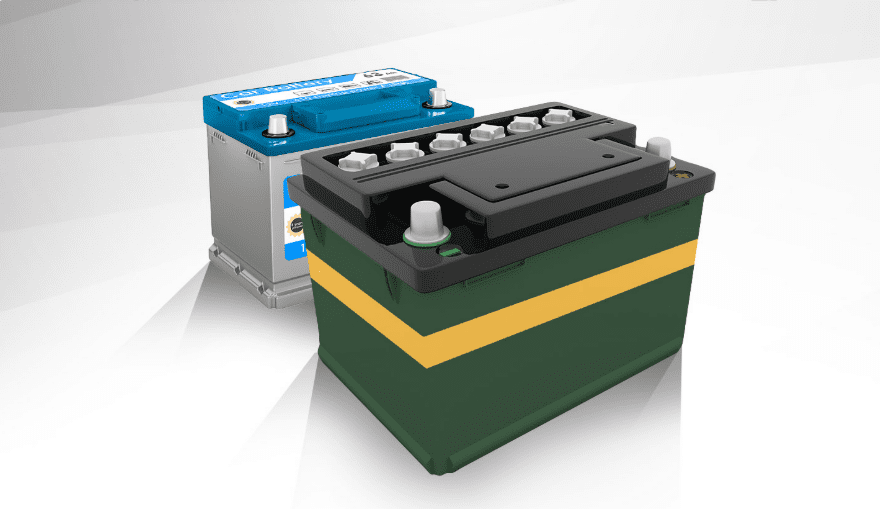
What Defines a Sealed Battery?
Sealed batteries are designed to operate without regular electrolyte maintenance. Common examples include sealed lead-acid (SLA) and valve-regulated lead-acid (VRLA) batteries. These batteries rely on internal pressure regulation mechanisms to recombine gases generated during charging.
This internal recombination process places higher demands on the battery charger. Voltage thresholds must be precisely set to prevent excessive gas generation, while still ensuring full charge completion.
Voltage Control Requirements for Sealed Battery Chargers
Voltage control is the most critical parameter in sealed battery charger design. Even small voltage overshoots can cause long-term degradation. Unlike wet batteries, sealed batteries cannot tolerate extended overvoltage during absorption or float stages.
Modern chargers address this challenge through high-resolution voltage sensing, digital feedback loops, and adaptive compensation mechanisms. These techniques ensure stable charging behavior under varying load and temperature conditions.
For a deeper technical breakdown, our internal reference on battery charger voltage accuracy design explains how sensing circuits and firmware calibration influence sealed battery safety.
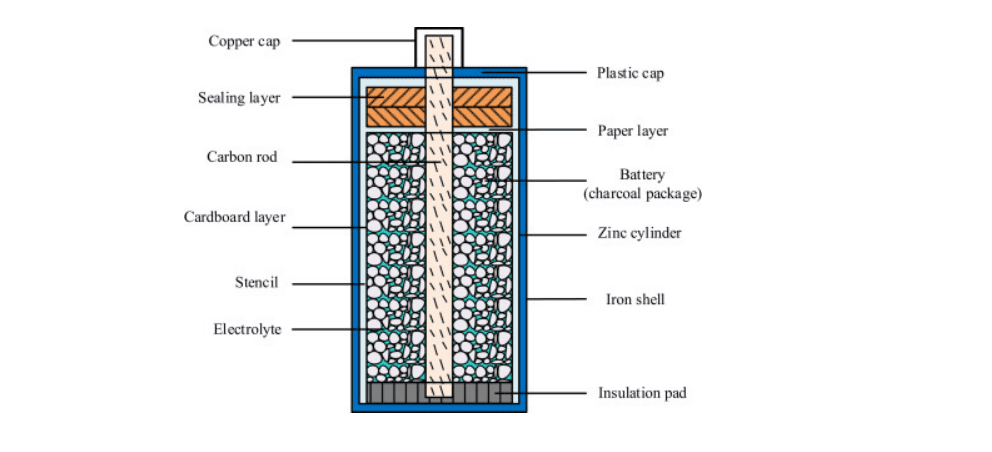
Current Limiting and Thermal Considerations
In addition to voltage regulation, sealed battery chargers must implement strict current limiting. Excessive charging current can lead to rapid temperature rise, accelerating internal chemical reactions beyond safe operating limits.
Many sealed battery chargers integrate thermal monitoring to dynamically adjust charging parameters. Temperature-compensated voltage control is particularly important in environments where ambient conditions fluctuate.
According to the technical overview on valve-regulated lead-acid battery technology , temperature compensation plays a central role in extending the lifespan of sealed batteries.
Multi-Stage Charging for Sealed Batteries
Although sealed batteries also use multi-stage charging, their stage parameters differ from those of wet batteries. Bulk charging currents are typically lower, absorption voltages are more conservative, and float voltages are carefully limited.
These differences mean that chargers designed for wet batteries cannot be directly reused for sealed battery systems without modification. Charger firmware must be specifically tuned for sealed battery behavior.
Why Sealed Battery Charger Design Matters for OEM Applications
For OEM manufacturers, selecting the right sealed battery charger directly impacts product reliability, warranty costs, and regulatory compliance. A properly designed charger reduces field failures and enhances end-user trust.
As sealed batteries continue to replace wet batteries in many applications, charger design must evolve accordingly to meet stricter safety and performance requirements.
In the next article, we will transition from lead-acid technologies to lithium-based systems, focusing on LiFePO4 battery charger characteristics and how lithium chemistry changes charging logic entirely.
