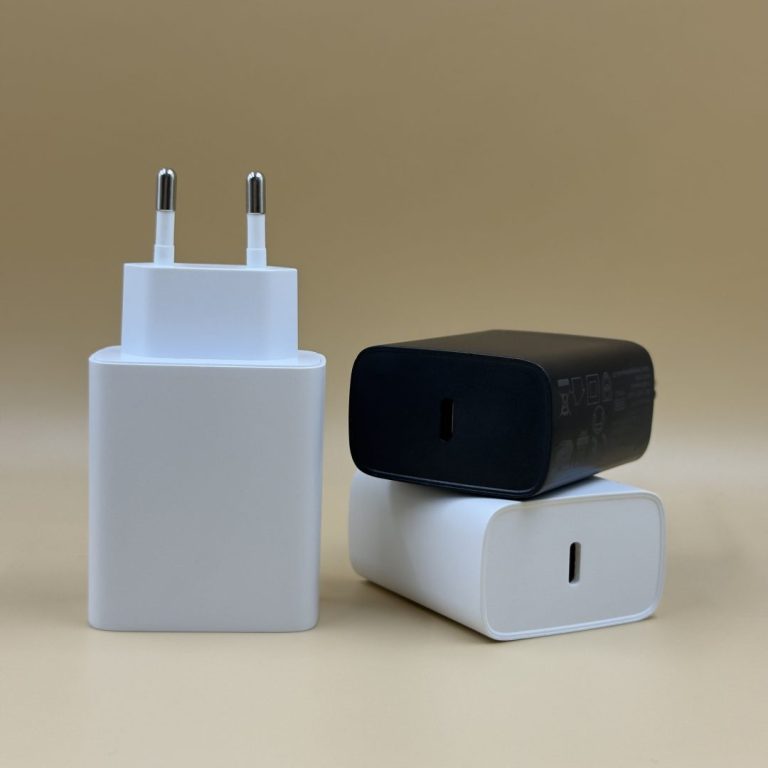
Ni-MH battery charger design differs significantly from lead-acid charging architecture due to the electrochemical behavior and termination requirements of nickel-metal hydride cells. This comparison focuses on engineering-level differences relevant to industrial and professional charging applications.
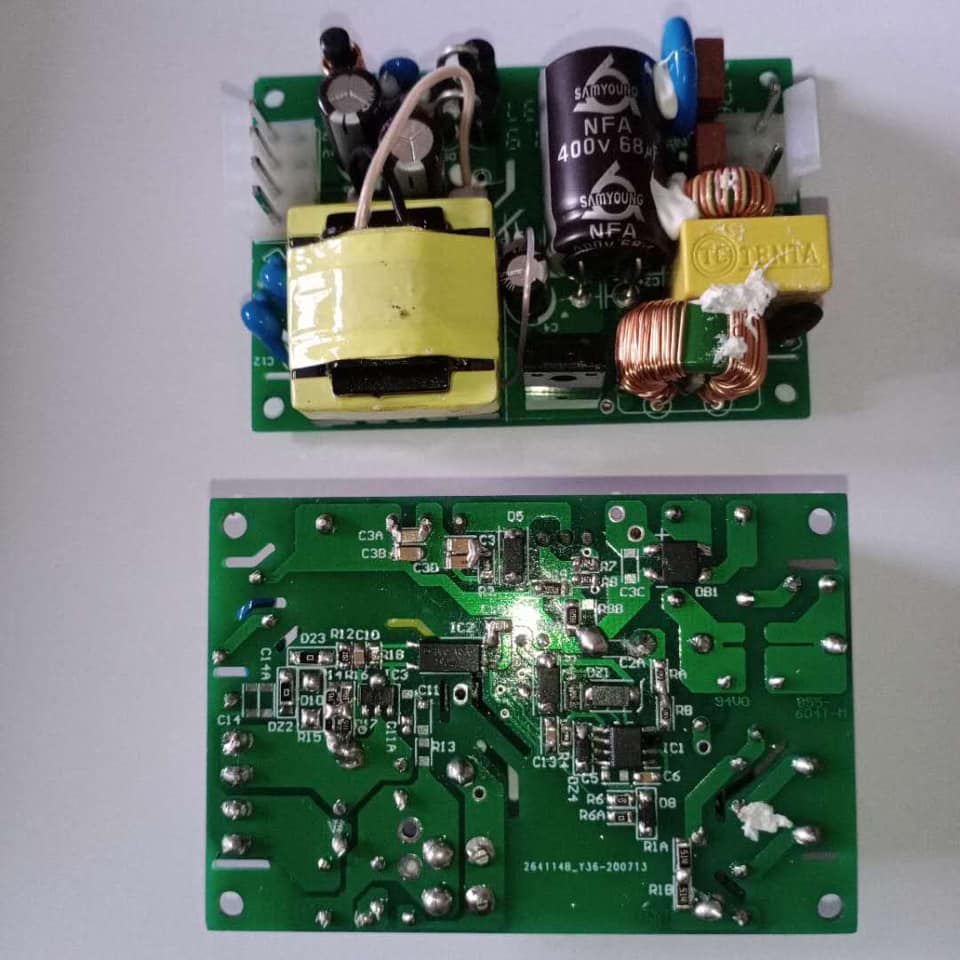
1. Electrochemical Characteristics and Charging Sensitivity
Ni-MH batteries are sensitive to overcharging and require accurate termination to prevent excessive heat generation. Unlike lead-acid systems, Ni-MH cells do not tolerate prolonged overcharge or float charging.
Lead-acid batteries, by comparison, are more tolerant of float charging when voltage is properly controlled, which makes them suitable for standby and backup power applications.
2. Ni-MH Battery Charger Design and Termination Methods
A typical Ni-MH battery charger design relies on termination techniques such as negative delta voltage detection, temperature rise monitoring, or time-based cut-off to accurately determine the end of charge.
Lead-acid smart battery chargers, in contrast, rely on voltage thresholds and multi-stage charging profiles rather than sharp termination points.
3. Voltage and Power Range Considerations
Ni-MH chargers are usually designed for relatively narrow voltage ranges based on the number of cells in series. Precise current control is prioritized over wide voltage adaptability.
Lead-acid chargers used in industrial systems often support broader voltage ranges, such as 6V to 84V, to accommodate various battery configurations and applications.
4. Safety and Protection Strategy
Ni-MH battery charger design emphasizes thermal protection due to heat generation during the final stage of charging. Temperature sensors are commonly integrated into the charging system.
Lead-acid chargers focus more heavily on over-voltage protection, reverse polarity protection, and long-term charging stability.
5. Industrial Application Scenarios
Ni-MH chargers are often used in applications requiring moderate energy density and reliable performance, such as instrumentation, medical devices, and specialized industrial equipment.
For systems that demand long-term standby operation and robustness, lead-acid smart battery chargers remain a widely adopted solution.
Conclusion: Selecting the Appropriate Charging Technology
Choosing between Ni-MH and lead-acid charging technology depends on battery chemistry, thermal behavior, and application requirements rather than charger complexity alone.
Understanding these design-level differences helps engineers select or customize charging solutions that align with system reliability and lifecycle goals.