
“Why Is My 48V LiFePO4 Charger Not Charging? (Common Causes & Solutions)”
Most 48V charging issues are caused by incorrect charger selection, not battery failure.
We usually receive a high volume of real inquiries from end users and OEM clients every day:
- “Why is my 48V charger not charging?”
- “Why does my charger turn green too fast?”
- “Why does it stop charging early?”
- “Why is my charger blinking red?”
Our after-sales engineers deal with these issues daily across different applications, from industrial equipment to consumer devices.
In most cases, the problem is not the battery itself, but a mismatch between the charger and the battery system.
To help users quickly identify and solve these problems, we’ve summarized the most common causes and solutions based on real field experience.
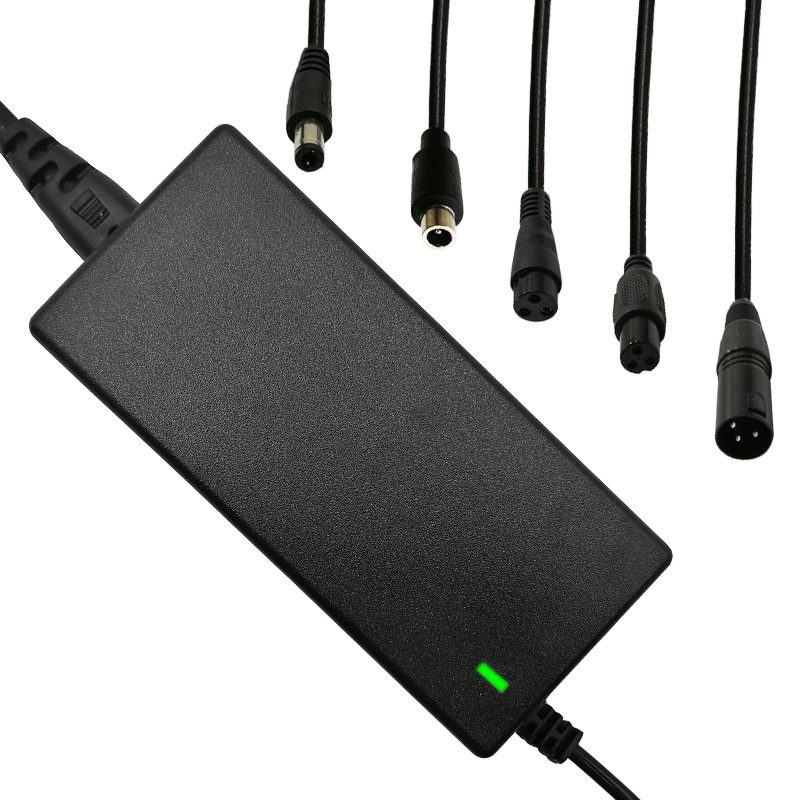
Typical Applications for 48V LiFePO4 Chargers
48V LiFePO4 battery systems are used across a wide range of industries. Different applications require different charging priorities, such as speed, durability, size, or system integration.
Industrial & Commercial Systems
- AGV / AMR robots
- Electric forklifts and material handling equipment
- Floor cleaning machines
- Energy storage systems (ESS)
Mobility & Outdoor Equipment
- Golf carts
- E-scooters and e-bikes
- Portable power systems
Consumer & Light Industrial Applications
- Power tools (cordless charging systems)
- Small appliances (portable devices, cleaning equipment, backup power units)
Industrial systems usually require higher power, communication capability, and continuous operation. Consumer products focus more on compact design, cost efficiency, and thermal safety.
How to Choose the Best 48V LiFePO4 Battery Charger
Choosing the right charger is not about selecting the highest power—it is about matching the charger to your battery system and application.
A proper LiFePO4 charger uses a CC/CV (constant current / constant voltage) charging profile and typically reaches 58.4V for a 16S battery pack.
Key Selection Factors
- Voltage accuracy (prevents overcharging)
- Current rating (matched to battery capacity)
- Protection features (over-voltage, over-current, short-circuit)
- Thermal performance under continuous use
- Communication (CANBus / RS485 for smart systems)
- Certifications (CE, UL, CB)
In real projects, a mismatch in any of these areas can lead to unstable charging, reduced battery life, or system-level failures.
How Many Amps Should a 48V Battery Charger Be?
One of the most common questions is: how many amps should a 48V charger provide?
The general rule for LiFePO4 batteries is a charging rate of 0.2C to 0.5C.
- 100Ah battery → 20A to 50A charger
- 50Ah battery → 10A to 25A charger
Practical Insight
- Lower current (0.1C–0.2C): longer battery lifespan
- Medium current (0.3C): balanced performance
- Higher current (0.5C): faster charging with more heat
For power tools and small appliances, lower current is often preferred to reduce heat and extend product life.
How Long Does It Take to Charge a 48V Battery?
Charging time can be estimated using:
T = (Battery Capacity Ah / Charger Current A) × 1.1
Where:
- C = battery capacity (Ah)
- I = charger current (A)
- 1.1 accounts for efficiency losses
Example: A 100Ah battery with a 20A charger takes about 5.5 hours to fully charge.
In industrial applications, predictable charging time is critical. In consumer products, safety and ease of use are often more important.
LiFePO4 Charger vs Lead-Acid Charger
Using the wrong charger type is one of the most common causes of charging problems.
| Feature | LiFePO4 Charger | Lead-Acid Charger |
|---|---|---|
| Charging Profile | CC/CV precise | Multi-stage |
| Voltage Accuracy | High | Lower |
| BMS Compatibility | Yes | No |
| Risk | Low (if matched) | Higher |
A lead-acid charger may stop early, misread battery status, or damage lithium batteries over time.
Troubleshooting: Why Is My 48V Charger Not Charging?
- BMS protection mode: Battery voltage too low to activate charging
- Power or fuse issue: AC input or internal fuse failure
- Connection issue: Loose or worn connectors
- Charger mismatch: Incorrect voltage or battery type
Why Is My 48V Charger Blinking Red?
- Reverse polarity
- Short circuit
- Battery voltage too low
- Internal charger fault
Why Does the Charger Turn Green Too Fast?
- High internal resistance: voltage rises too quickly
- Cell imbalance: one cell reaches limit early
- Wrong charger type: lead-acid charger misreads lithium battery
Technical Specifications
| Feature | Specification |
|---|---|
| Charge Voltage | 58.4V (16S LiFePO4) |
| Charging Current | 0.2C – 0.5C |
| Temperature Range | 0°C to 45°C |
| Connectors | Anderson, XLR, M8 |
Professional Solutions for 48V Systems
Choosing a reliable charger is critical for system stability and battery performance.
Explore our LiFePO4 battery charger solutions or request a custom battery charger designed for your specific application.
Our solutions support:
- CAN / RS485 communication
- OEM customization
- Thermal optimization
- Global certifications
FAQ
What voltage should a 48V LiFePO4 charger be?
58.4V for a standard 16S battery pack.
Can I use a lead-acid charger for LiFePO4?
No, it may cause incorrect charging or long-term damage.
Can I leave the charger connected?
Yes, if the charger includes proper auto shut-off or control logic.
Is it normal for the charger to get warm?
Yes, but it should remain within safe operating temperature.
