
A smart charger compatible with BMS works by exchanging real-time data with the battery management system and adjusting charging behavior accordingly. Instead of relying on fixed voltage and current thresholds, the charger responds to battery feedback throughout the entire charge cycle.
This interaction is essential in modern lithium-based systems, where battery safety and lifespan depend heavily on coordinated control.
What does BMS compatibility really mean in charger design?
BMS compatibility does not simply mean that a charger can stop when a fault occurs. It means the charger understands the battery’s operating boundaries and adapts before protection is triggered.
In practical designs, a smart battery charger reads parameters such as state of charge, temperature, and cell-level warnings from the BMS. Based on this data, it can fine-tune charging current, voltage limits, or timing.
Which communication protocols are commonly used?
The choice of communication protocol depends on system architecture and reliability requirements. CAN bus is widely used in industrial and energy storage systems due to its robustness. RS-485 remains common in cost-sensitive or long-distance applications, while UART is often used in compact embedded designs.
A custom battery charger is usually designed with protocol flexibility in mind, allowing firmware to support different interfaces without changing hardware.
Why passive chargers struggle in BMS-controlled systems
Traditional chargers operate blindly. They apply a predefined charging profile and react only when protection circuits intervene. In BMS-controlled systems, this approach often leads to frequent cutoffs, unnecessary stress, and unpredictable behavior.
When the charger and BMS cooperate, charging becomes smoother and more predictable. The system avoids hard stops and instead manages gradual adjustments.
How BMS-compatible chargers improve system safety
Safety improvements come from anticipation rather than reaction. A charger that receives early warnings from the BMS can reduce current before temperature thresholds are exceeded or cell imbalance becomes critical.
This proactive behavior is especially important in energy storage and industrial applications, where downtime or failure carries significant cost.
Integration challenges engineers should expect
Integrating a charger with a BMS is not without challenges. Timing mismatches, protocol interpretation, and firmware update coordination can all cause issues if not addressed early.
Working with an experienced battery charger manufacturer helps reduce these risks by aligning charger firmware, documentation, and long-term support with the BMS design.
When BMS compatibility becomes a system requirement
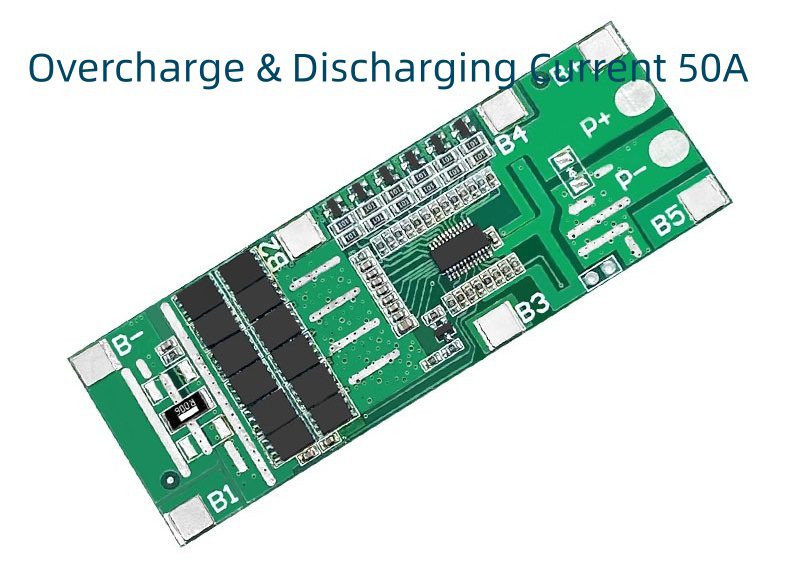
BMS-compatible chargers are now standard in energy storage systems, industrial automation equipment, and professional mobility products. In these environments, charging behavior is part of system control rather than an isolated function.
Engineers increasingly evaluate chargers based on how well they integrate into the overall control architecture, not just electrical specifications.
