
An energy storage battery charger is designed for system-level operation rather than single-device charging. Unlike traditional industrial chargers, it must coordinate with batteries, inverters, and energy management systems at the same time.
This difference becomes obvious in ESS applications, where charging is part of a continuous energy flow rather than a simple start-and-stop process.
Why is charging strategy critical in energy storage systems?
In an energy storage system, charging directly affects system efficiency, battery lifespan, and operational safety. A poorly designed charger can limit the performance of the entire ESS, even if the batteries themselves are high quality.
For this reason, many system integrators prefer a custom battery charger that matches the exact battery chemistry and operating profile instead of adapting an off-the-shelf unit.
How does BMS compatibility change charger design?
An ESS charger rarely works alone. It communicates continuously with the battery management system to receive data such as state of charge, temperature, and protection status.
A smart battery charger compatible with BMS can adjust voltage and current dynamically, reducing stress on the battery and improving long-term reliability.
This interaction is especially important for lithium-based storage systems, where safety margins are tight and charging conditions change rapidly.
What role does AIoT play in modern ESS charging?
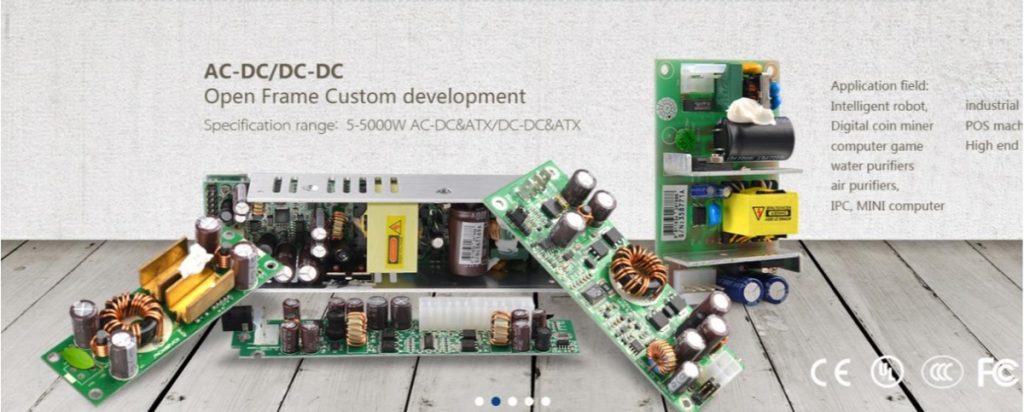
In large or distributed energy storage deployments, chargers are increasingly connected through AIoT platforms. This allows operators to monitor performance, detect anomalies, and manage firmware remotely.
An AIoT-enabled charger turns charging data into operational insight, which is valuable for utilities, commercial storage operators, and system manufacturers.
Designing chargers for long-term ESS projects
Energy storage projects often run for ten years or more. That makes component lifecycle, firmware upgradability, and certification stability just as important as electrical performance.
Working with an experienced battery charger manufacturer helps ensure the charging platform can evolve without forcing a complete system redesign.
From an engineering perspective, a charger that can scale across multiple ESS configurations reduces development risk and simplifies future expansion.
When does a factory-level charger partner matter?
ESS integrators often need consistent quality across multiple production batches. A dedicated battery charger factory can support this requirement by maintaining controlled processes and long-term technical documentation.
This level of cooperation becomes critical when systems move from pilot projects to large-scale deployment.
